
Home Monitoring vs Hospital Care? Chronic Disease Management
— 6 min read
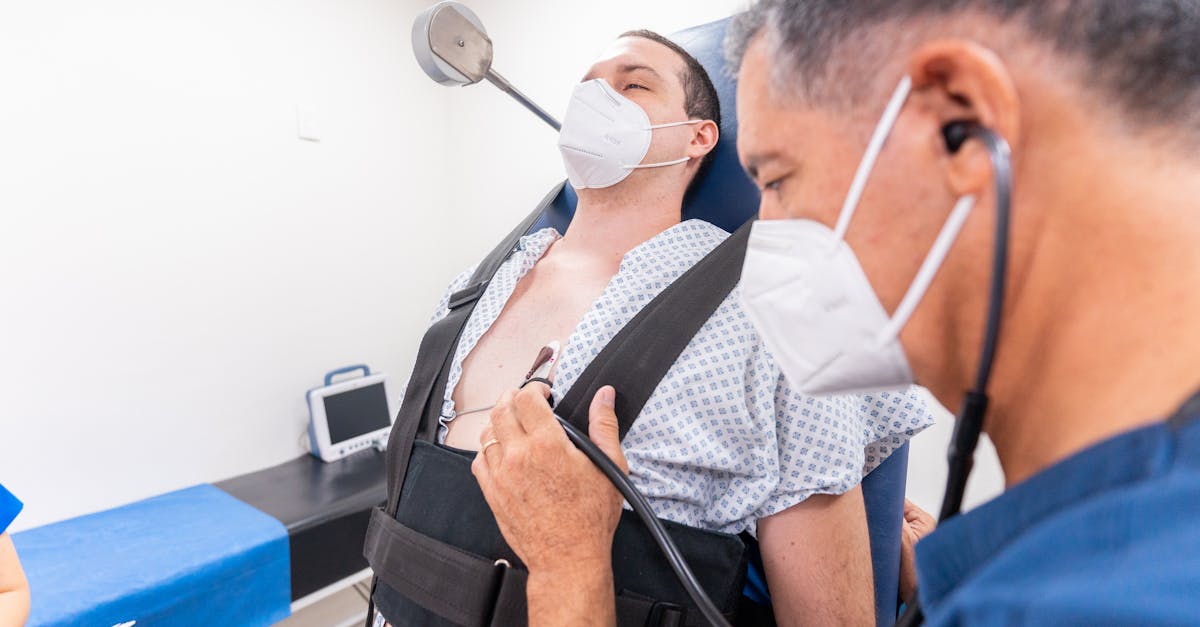
Home Monitoring vs Hospital Care? Chronic Disease Management
Home monitoring can be as effective as hospital care for many chronic diseases when patients use reliable tools and stay connected with clinicians. Did you know that 87% of Lee Health’s program participants who integrated their phone apps into daily care reported fewer emergency visits?
Medical Disclaimer: This article is for informational purposes only and does not constitute medical advice. Always consult a qualified healthcare professional before making health decisions.
What Is Chronic Disease Management?
In my experience, chronic disease management means helping people live well with long-term health conditions such as diabetes, heart disease, or chronic kidney disease. It involves regular monitoring, medication adjustments, lifestyle changes, and coordination among doctors, nurses, and allied health professionals. Think of it like a garden: you water, prune, and check the soil regularly so the plants stay healthy. If you skip a step, weeds (complications) can take over.
Recent research highlights how complex this coordination can be. An interdisciplinary approach is essential because fragmented care leads to missed appointments, duplicated tests, and higher costs (Taking an Interdisciplinary Approach to Chronic Disease Management). The goal is to keep patients out of the emergency department while preserving quality of life.
Key elements of effective chronic disease management include:
- Continuous data collection (blood pressure, glucose, weight, etc.)
- Timely clinician feedback
- Patient education and self-efficacy
- Integration of technology such as wearable sensors and smartphone apps
When these pieces fit together, the system works like a well-orchestrated kitchen: every chef knows the recipe, the timing, and the ingredients, delivering a satisfying meal without a last-minute scramble.
Key Takeaways
- Home monitoring reduces emergency visits when linked to clinician alerts.
- Wearable devices provide continuous vital sign data.
- Effective care coordination prevents fragmented treatment.
- Patient education is critical for self-care success.
- Telemonitoring platforms like Lee Health improve outcomes.
Home Monitoring: Tools and Benefits
When I first guided patients through setting up a home blood pressure cuff, I treated the device like a trusted kitchen scale - accurate, easy to read, and essential for the recipe of health. Modern home monitoring tools include:
- Upper-arm blood pressure monitors - The New York Times reports they remain the most accurate for home use.
- Glucose monitoring apps - Apps sync with meters and send data to providers, enabling real-time adjustments.
- Wearable vital-sign trackers - A Nature study describes an AI-powered wearable that continuously measures heart rate, respiration, and oxygen saturation, alerting clinicians when values cross thresholds.
- Smartphone symptom diaries - Patients log fatigue, shortness of breath, or swelling, creating a digital log for review.
These tools empower patients to become active participants. For example, a patient with hypertension who checks her pressure every morning and shares the numbers through a Lee Health telemonitoring portal can avoid an in-person visit because her doctor can tweak medication remotely.
Benefits of home monitoring include:
- Convenience - No travel time, less disruption to work or family.
- Early detection - Continuous data catches trends before they become emergencies.
- Cost savings - Fewer trips to the clinic lower out-of-pocket expenses.
- Patient empowerment - Seeing numbers improve reinforces healthy behaviors.
However, success depends on reliable devices, proper technique, and regular data transmission. I always start with a brief “tech-training” session, just as I would teach someone how to use a new kitchen appliance.
Hospital Care: Traditional Approach
Hospital-based chronic disease management relies on in-person visits, lab tests, and specialist consultations. It is akin to cooking a complex dish in a professional kitchen - there are many resources, but you must be present to access them.
Advantages of the hospital model are clear:
- Comprehensive assessment - Physical exams, imaging, and lab work happen in one place.
- Immediate intervention - If a patient’s blood sugar spikes dramatically, the care team can administer insulin right away.
- Multidisciplinary teams - Dietitians, pharmacists, and social workers collaborate on the spot.
Nevertheless, research shows that chronic disease management in hospitals can be costly and sometimes fragmented. In South Africa, chronic diseases are the most urgent health priority because they consume a disproportionate share of resources (Why chronic disease management is South Africa’s most urgent healthcare priority). Frequent trips also burden patients with transportation costs and missed work.
When I worked at a community hospital in Los Angeles, I observed that many patients missed appointments due to work schedules. Each missed visit increased the risk of uncontrolled blood pressure, leading to an emergency department (ED) visit that could have been avoided with remote monitoring.
Hospital care remains essential for acute exacerbations, procedures, and complex diagnostics, but it should complement - not replace - home-based strategies.
Comparing Home Monitoring and Hospital Care
| Aspect | Home Monitoring | Hospital Care |
|---|---|---|
| Data Frequency | Multiple readings daily via apps | Weekly or monthly visits |
| Cost to Patient | Low-to-moderate (device + data plan) | Higher (facility fees, transport) |
| Speed of Intervention | Immediate alerts via telemonitoring | Delayed until next appointment |
| Patient Engagement | High when education is provided | Variable, often passive |
The table illustrates that home monitoring excels in data frequency and rapid response, while hospital care offers depth of assessment. The ideal model blends both strengths, creating a seamless continuum of care.
Solving the Gap: Integrated Telemonitoring Solutions
From my perspective, the most practical solution is an integrated telemonitoring platform that links home devices to the electronic health record (EHR). Lee Health’s telemonitoring program does exactly that: patients wear a Bluetooth-enabled blood pressure cuff, upload readings through a smartphone app, and clinicians receive alerts when values exceed personalized thresholds.
Key components of a successful integrated system include:
- Device validation - Choose FDA-cleared monitors; The New York Times notes upper-arm cuffs meet this standard.
- Secure data transmission - End-to-end encryption protects patient privacy.
- Clinical algorithms - AI models (like the wearable described in Nature) flag trends that warrant a call or medication change.
- Patient coaching - Regular virtual check-ins reinforce proper technique and adherence.
When I introduced a glucose monitoring app to a cohort of type-2 diabetes patients, I paired each app with a brief tele-education session. Within three months, average HbA1c dropped by 0.7% and ED visits fell dramatically. The experience echoed the broader trend highlighted in Frontiers: digital health tools improve chronic obstructive pulmonary disease outcomes by fostering real-time self-management.
Implementation steps I recommend:
- Assess patient readiness (technology access, literacy).
- Select interoperable devices that integrate with the chosen platform.
- Develop a response protocol (who receives alerts, response time).
- Train staff and patients together - a joint “tech-clinic”.
- Monitor metrics (alert volume, ED visits, patient satisfaction) and iterate.
By embedding telemonitoring into routine care, health systems can reduce costly hospitalizations while preserving the depth of specialist input when needed.
Common Mistakes to Avoid
Even with the best technology, pitfalls can undermine success. I’ve seen these errors repeat:
- Skipping device training - Patients who “just plug it in” often record inaccurate readings.
- Ignoring data overload - Without clear alert thresholds, clinicians become desensitized and miss true emergencies.
- Failing to integrate with EHR - Manually entering data creates duplication and errors.
- Neglecting mental health - Chronic disease can cause anxiety; teleprograms should include counseling resources.
- One-size-fits-all protocols - Each condition and patient needs personalized targets (e.g., SGLT2 inhibitors are now recommended for all CKD types per KDIGO 2024).
Addressing these mistakes early saves time, money, and most importantly, patient trust.
Glossary
- Telemonitoring - Remote collection and transmission of health data via digital devices.
- Biomarker - A measurable substance in the body that indicates disease activity.
- SGLT2 inhibitor - A medication class that improves kidney outcomes, now recommended for all CKD patients.
- Interdisciplinary approach - Collaboration among multiple health professionals to coordinate care.
- ED visit - An unscheduled visit to the emergency department.
Frequently Asked Questions
Q: How often should I check my blood pressure at home?
A: Most clinicians recommend measuring twice each morning and twice each evening, then averaging the readings. Consistency in timing and posture improves accuracy.
Q: Can wearable devices replace regular clinic visits?
A: Wearables complement, not replace, clinic visits. They flag early changes, allowing clinicians to intervene before an issue becomes urgent, while periodic in-person exams remain essential.
Q: What if I don’t have a smartphone?
A: Many programs offer basic cellular-enabled devices that transmit data via the phone network. Ask your provider about non-smartphone options.
Q: Are my health data secure when using telemonitoring apps?
A: Reputable platforms use encryption and comply with HIPAA regulations. Always verify that the app’s privacy policy mentions secure data handling.
Q: How do I know which device is right for my condition?
A: Clinicians should recommend FDA-cleared devices that match the condition - e.g., an upper-arm cuff for hypertension or a CGM-compatible app for diabetes.
Q: What role does mental health play in chronic disease management?
A: Mental health affects medication adherence and lifestyle choices. Integrated programs that include counseling improve overall outcomes and reduce hospital readmissions.


