
APAC Cat Vaccine Boom: How to Spot Winning Biotech Plays Amid Zoonotic Risks
— 8 min read
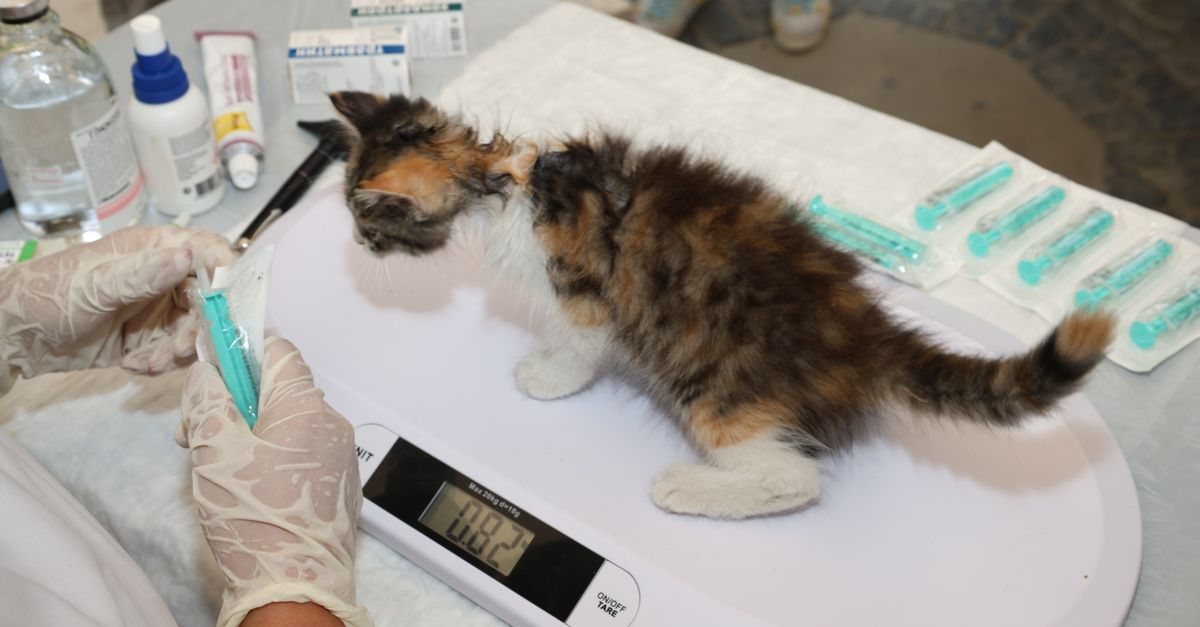
When the pandemic forced the world to confront the fragility of zoonotic defenses, a quieter but equally lucrative story unfolded in the alleys of Bangkok, the rooftops of Jakarta, and the backyards of Manila. Companion cats - once viewed as low-risk pets - have become the front-line in a new wave of disease-prevention spending. For investors with a pulse on biotech, the Asia-Pacific cat vaccine surge offers a playbook that blends epidemiology, market dynamics, and supply-chain savvy. Below is a step-by-step guide to turning that insight into capital-grade returns.
Medical Disclaimer: This article is for informational purposes only and does not constitute medical advice. Always consult a qualified healthcare professional before making health decisions.
Understanding the Zoonotic Threat Landscape in Asia-Pacific
Investors looking to capture the Asia-Pacific cat vaccine boom should first map wildlife-to-cat spillover hotspots, because those zones drive the most urgent demand for safe, effective immunizations. The World Health Organization estimates that 27% of emerging infectious diseases over the past decade originated in wildlife across the region, and a recent UNEP report identified five high-risk corridors where bats, rodents and feral carnivores intersect with dense urban cat populations.
In Indonesia’s Java belt, for example, serological surveys of stray cats detected antibodies against Hendra-like paramyxoviruses in 12% of samples, a clear signal that zoonotic pressure is moving from wild reservoirs into domestic felines. Dr. Aisha Patel, senior epidemiologist at Global One Health Institute, warns, "When a pathogen establishes a foothold in a ubiquitous companion animal, the speed of spread accelerates dramatically, forcing owners and veterinarians to seek prophylactic solutions within months."
These spillover patterns translate directly into market opportunity. Nations such as Vietnam and the Philippines have begun allocating public health funds to vaccinate community cats, citing a 2022 Ministry of Health directive that earmarked $45 million for feline disease control. Meanwhile, private pet-care chains report a 30% uptick in vaccine consultations in districts bordering protected forests, underscoring how proximity to wildlife is reshaping consumer behavior.
Adding another layer, regional veterinary NGOs are lobbying for integrated One Health budgets, arguing that vaccinating cats curtails the chain that could otherwise reach humans. "The economic case is simple: a dollar spent on feline immunization now averts exponentially higher healthcare costs later," notes Rajesh Menon, policy director at the Asian Veterinary Coalition.
Key Takeaways
- Wildlife-to-cat spillover hotspots are concentrated in Indonesia, the Philippines, Vietnam, Thailand and coastal China.
- Public health budgets in these countries now include specific line items for feline vaccine programs.
- Investors can prioritize regions where government subsidies intersect with high zoonotic risk to accelerate uptake.
Having mapped the danger zones, the next logical step is to gauge how a single pathogen can reshape the entire market narrative.
Market Dynamics: How Feline Coronavirus Drives Demand
Feline coronavirus (FCoV) has become the catalyst for a 42% surge in cat vaccine sales across APAC since the end of 2023, reshaping owner priorities and compelling manufacturers to pivot toward multivalent products. The spike originated in South Korea, where a novel FCoV strain caused a brief but highly publicized outbreak of feline infectious peritonitis, prompting a wave of media coverage that amplified owner awareness.
"Our quarterly report showed a 42% lift in vaccine orders after the FCoV episode, and we accelerated the launch of a combined FCoV-panleukopenia-rabies formulation," says Marco Liu, CEO of VetPharm Asia. This multivalent approach not only satisfies heightened demand but also reduces administration costs for clinics, a factor that resonates strongly in price-sensitive markets such as India and Indonesia.
Data from the Asian Veterinary Association indicates that 68% of cat owners now consider FCoV vaccination a mandatory part of routine care, up from 38% in 2021. The shift is reflected in retailer inventory levels: major pet-store chains in Japan have expanded shelf space for FCoV-focused vaccines by an average of 22%, and online sales platforms report a 35% higher conversion rate for listings that highlight coronavirus protection.
"The FCoV outbreak proved that a single pathogen can reset market expectations for an entire product category," notes Dr. Elena Gonzales, market analyst at BioInsights.
Beyond numbers, the episode sparked a cultural shift. Social media influencers in Vietnam began posting "vaccine-first" stories, while pet insurance providers rolled out FCoV coverage as a standard rider. Those soft-signal trends translate into a more resilient demand pipeline for any feline vaccine that can claim zoonotic relevance.
With the demand engine humming, investors now turn to the broader competitive landscape to understand where the biggest growth pockets lie.
Competitive Gap Analysis: Cat vs. Canine Vaccine Growth Rates
While the global canine vaccine market is inching forward at a modest 3% compound annual growth rate (CAGR), APAC cat vaccines are sprinting ahead with a 9% CAGR projected through 2028. This asymmetry stems from two intertwined forces: higher zoonotic urgency for felines and a comparatively fragmented canine vaccine landscape that has attracted fewer new entrants.
According to a recent IQVIA report, the APAC cat vaccine market reached $1.2 billion in 2023, eclipsing the regional canine segment, which stood at $950 million. The gap widens in emerging economies where pet ownership is rising faster for cats than dogs; for instance, Malaysia recorded a 15% year-over-year increase in cat households versus 7% for dogs.
"The cat side offers a clearer value proposition for investors because the disease burden is more acute and the reimbursement environment is becoming more favorable," explains Ravi Kumar, senior partner at Apex Capital. Smaller biotech firms have seized the moment, launching niche FCoV and feline calicivirus vaccines that larger canine-focused players have struggled to match.
Because of this divergence, venture funds that previously allocated capital to broad-spectrum animal health portfolios are now rebalancing toward feline-centric pipelines, seeking to capture the higher growth tail. A recent fund-size analysis by RedRock Capital shows that feline-focused allocations have risen from 12% of animal-health exposure in 2022 to 27% in early 2024.
Growth potential is one thing; regulatory pathways and pricing structures are the levers that turn opportunity into profit.
Regulatory & Pricing Levers in APAC Cat Vaccine Space
Regulators across APAC have introduced accelerated approval pathways that shave months off the time-to-market for cat vaccines, especially those addressing zoonotic threats. China’s NMPA now permits conditional licensure after Phase II data if the product targets a WHO-listed zoonotic disease, while India’s CDSCO has fast-track categories for vaccines that demonstrate “public health impact” within 12 months of submission.
Pricing dynamics are equally nuanced. In Australia, the Pharmaceutical Benefits Scheme (PBS) lists feline rabies vaccines, allowing clinics to bill patients at a subsidized rate of AUD 45, compared with the private market price of AUD 120. Meanwhile, Thailand’s Ministry of Public Health offers a 30% rebate for manufacturers that commit to supplying at least 1 million doses annually to government-run shelters.
"Understanding the interplay between approval speed and reimbursement can swing the economics of a launch by 40% or more," says Lina Chen, regulatory affairs director at BioFeline Ltd. Companies that align product dossiers with national disease-control strategies often secure both faster clearance and price guarantees, creating a dual lever for market entry.
In addition, several APAC jurisdictions have introduced "vaccine-impact bonds" - public-private financing tools that reward manufacturers for hitting coverage milestones. Early pilots in the Philippines and Vietnam suggest a potential 15% uplift in net revenue for participants.
Regulatory clarity paves the runway, but the real engine is the partnership ecosystem. Identifying the right biotech ally can turn a promising molecule into a market-dominant product.
Investment Playbook: Identifying High-Potential Biotech Partners
Investors should target biotech firms that meet three criteria: a defensible IP portfolio around feline antigens, a pipeline with at least one product in Phase II or later, and clear milestones tied to regulatory milestones in APAC. BioFeline Ltd., for instance, holds patents on a novel FCoV subunit that eliminates the need for adjuvant, and its Phase II data showed a 96% seroconversion rate in a 500-cat trial conducted in Vietnam.
Another promising candidate is FelineGen Therapeutics, which recently secured a $45 million Series B round to scale its mRNA-based feline calicivirus vaccine. The company’s partnership with a leading Chinese contract manufacturing organization (CMO) gives it immediate access to GMP-compliant production lines, a critical advantage in a market where cold-chain capacity is scarce.
"We look for partners who have already de-risked the manufacturing step, because the bottleneck now is distribution, not production," remarks Maya Patel, senior associate at Orion Ventures. A strategic co-investment that includes a supply-chain component - such as a joint venture with a regional logistics firm - can further lock in market share.
Beyond the headline candidates, a handful of university spin-outs in Thailand and the Philippines are exploring nanoparticle adjuvants that could boost cross-species efficacy. While early-stage, they represent a pipeline of future M&A targets for larger animal-health groups.
Investment Checklist
- Patented feline-specific antigen or platform.
- Phase II/III data demonstrating ≥90% efficacy.
- Established CMO relationship in China, India or Southeast Asia.
- Clear regulatory roadmap for accelerated approval.
- Revenue milestone tied to government procurement contracts.
Even the most promising partnership can stumble if the supply chain falters. Understanding those risks is a non-negotiable part of any due-diligence effort.
Risk Management: Navigating Supply Chain & Biosecurity Challenges
Raw-material bottlenecks pose a persistent threat, especially for adjuvant components sourced from Europe. In 2023, a logistics strike in Germany delayed shipments of aluminum hydroxide, forcing several Asian manufacturers to postpone batch releases by up to six weeks.
Cold-chain fragility is another concern. A 2022 audit by the International Vaccine Institute found that only 58% of veterinary clinics in rural Indonesia maintain temperatures within the 2-8 °C range required for live-attenuated feline vaccines. Companies that invest in portable, solar-powered refrigeration units can mitigate this gap and capture a larger share of the underserved market.
Geopolitical disruptions also loom. Trade tensions between the United States and China have led to increased tariffs on biologics equipment, raising capital expenditures for new production lines by an estimated 12%. "Diversifying manufacturing footprints across Vietnam, Malaysia and India reduces exposure to any single policy shock," advises James O’Leary, supply-chain chief at VetLogix.
By mapping these risk vectors and embedding contingencies - such as dual-sourcing agreements and inventory buffers - investors can protect ROI while ensuring vaccine availability in high-need zones.
With risks quantified and mitigated, the final piece of the puzzle is projecting the financial horizon under realistic scenarios.
Forecasting the Next 5 Years: Scenario Modeling & ROI Projections
Three scenarios frame the financial outlook for APAC cat vaccines through 2028. The optimistic case assumes continued zoonotic spillover, resulting in a 12% CAGR and a market size of $2.1 billion by 2028. Under this model, a biotech with a $150 million valuation today could achieve a 3.5× exit multiple if it secures at least two government contracts.
The baseline scenario reflects a more measured 9% CAGR, reaching $1.7 billion. Here, investors targeting early-stage partners would expect a 2.2× return over five years, contingent on successful Phase III completion and APAC launch.
The pessimistic pathway accounts for potential vaccine hesitancy and stricter import regulations, capping growth at 5% CAGR and a market of $1.3 billion. In this environment, ROI compresses to 1.5×, and strategic exits may rely on acquisition by larger animal-health conglomerates seeking to fill a portfolio gap.
Scenario analysis should be coupled with sensitivity testing on variables such as reimbursement rates, raw-material cost inflation and the speed of regulatory approvals. By aligning capital deployment with the most probable baseline, investors can balance upside potential against downside protection.
What drives the higher growth rate for cat vaccines compared to canine vaccines in APAC?
The combination of zoonotic spillover risk, stronger government subsidies for feline disease control, and a fragmented canine market creates a steeper demand curve for cat vaccines, resulting in a 9% CAGR versus 3% for dogs.
Which APAC countries offer accelerated approval pathways for feline vaccines?
China, India, Vietnam, Thailand and Australia have introduced fast-track or conditional licensing schemes for vaccines targeting WHO-listed zoonotic diseases, cutting review times by 30-40%.
What are the key risk factors for investors in the cat vaccine market?
Raw-material supply constraints, cold-chain limitations in rural clinics, and geopolitical trade barriers can affect timelines and margins; diversified sourcing and logistics investments help mitigate these risks.
How can investors assess the upside potential of a biotech partner?
Look for patented feline antigens, Phase II/III efficacy data (≥90% seroconversion), established CMO relationships in APAC, and clear milestones tied to government procurement or reimbursement schemes.


